Nice Day Tours
I’m Serious Day Tour Man AI, your day trip expert. Ask me anything — where to go, how to get there, and what’s actually worth your day.
Nice sits on the best day-trip rail line in Europe: a principality with a palace guard and a legendary casino twenty minutes east, a medieval eagle’s-nest village on the cliff between, and a pink Rothschild palace with nine gardens on the peninsula where the Belle Époque went to show off. Almost none of it needs a car, and half of it punishes one.
The sortings below include the Cannes question (the film-festival town against the islands ten minutes off its shore), the two Èzes that confuse everyone, and the perfume capital that smells better than it looks.
Here’s what’s worth a day, with real times and honest trade-offs.

Popular Day Trips

Monaco
The 11:55 Guard, the Casino Rules

Èze
The Bus Up, the Nietzsche Path Down
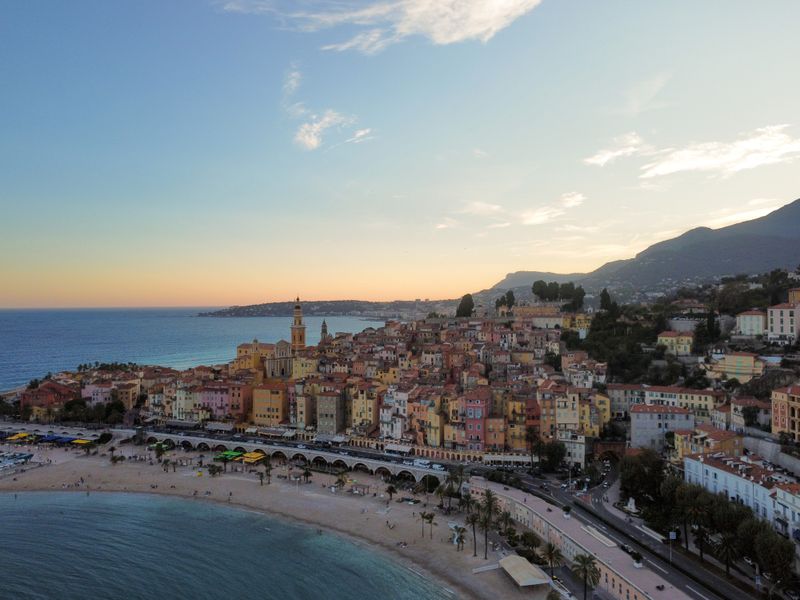
Menton
The Half-Hour Train, the Lemon Town
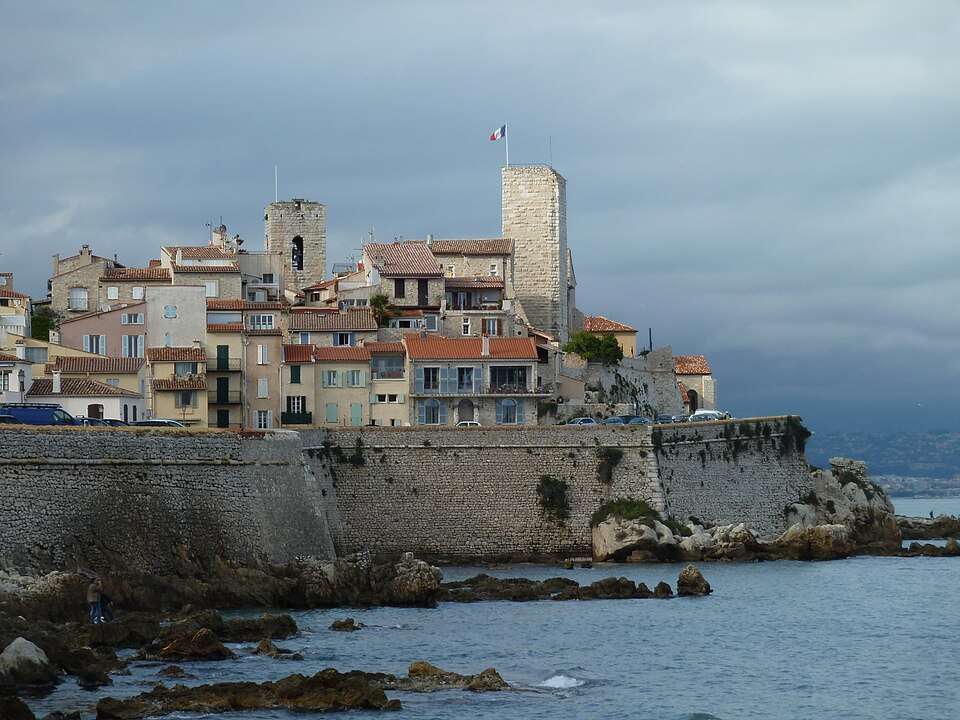
Antibes
The Twenty-Minute Train, the Picasso Museum
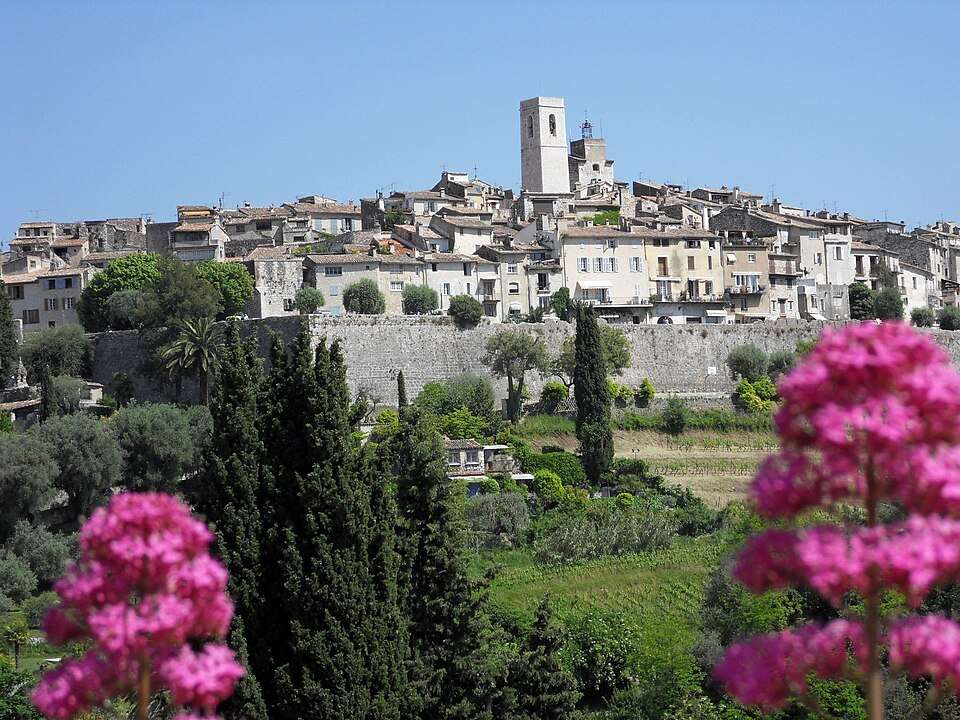
Saint-Paul-de-Vence
The Maeght Booked First, the Lanes of Galleries
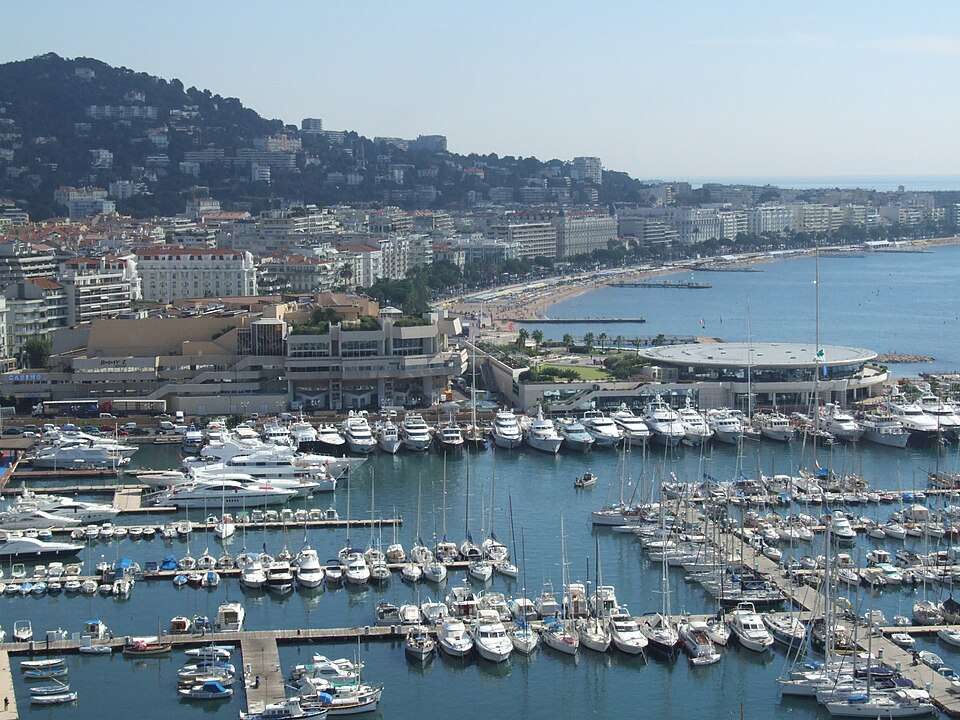
Cannes
The Festival Honesty, the Islands That Are the Point
Monaco — The Principality Day
Twenty minutes by train — leave the car in Nice; Monaco’s parking and traffic are the two things in the principality that aren’t glamorous. The circuit sorts by hour: the changing of the guard happens daily at 11:55 sharp on the Place du Palais, a brief ceremony worth catching if you’re on the Rock anyway rather than building the morning around. The old town behind the palace, the cathedral holding Grace Kelly’s grave, and the clifftop Oceanographic Museum — Cousteau’s old kingdom, with the shark lagoon and the building itself rising sheer from the sea wall — fill the Rock properly.
Monte-Carlo runs the afternoon register: the Casino’s belle-époque salons open to visitors (bring your passport, dress at smart-casual minimum, and know the gaming rooms charge entry — the atrium is free), the Café de Paris terrace prices its people-watching accordingly, and the Formula 1 corners — Casino Square, the hairpin, the tunnel — walk in twenty minutes for anyone who has ever watched the race. The exotic garden and the port complete the list.
Monaco is a half-to-full day, spectacular and expensive in exactly the ways expected — eat lunch in the old town’s lanes rather than the casino square, or hold out for the return to Nice. May’s Grand Prix converts the whole principality into a grandstand; visit that week deliberately or not at all.
Read the full Monaco day-trip page.
Èze & the Corniches — The Eagle’s Nest
First, the disambiguation that saves an hour: Èze Village is the medieval hilltop; Èze-sur-Mer is the beach settlement 400 vertical meters below. The train stops at the sea; the village requires the bus (the 82 or 112 from Nice, popular enough to fill), a taxi, or the climb.
The village lives up to its fame: a spiral of stone lanes rising to the Jardin Exotique — the cactus garden planted through the castle ruins at the summit, ticketed, and holding the single best view on this coast: Cap Ferrat below, the sea in three shades, and the Alps behind on clear winter days. The Fragonard perfume factory at the base runs free tours and the gift-shop economy honestly. Go before 10 or after 4; midday goes to the coaches, and the lanes are two people wide.
The committed descend on foot: the Nietzsche Path — the philosopher composed parts of Zarathustra climbing it — drops from village to sea in about an hour of real footwear terrain, landing at the Èze-sur-Mer station for the train home, which is the day’s most satisfying piece of logistics. The three Corniche roads themselves — Basse, Moyenne, Grande — are the drive for those who have the car anyway, with the Grande Corniche’s high route as the cinematic one.
Read the full Èze day-trip page.
Cap Ferrat & Villefranche — The Belle Époque Peninsula
The gentlest great day on this coast. Villa Ephrussi de Rothschild crowns Cap Ferrat: Béatrice de Rothschild’s pink Italianate palace, filled with her Fragonards, porcelain, and tapestries, surrounded by nine themed gardens — Florentine, Japanese, Provençal, the rose garden at the point — with musical fountains playing on schedule. The mechanics: open daily, audio guide included, online booking recommended (tickets are non-refundable, so watch the weather), and the combined ticket with Villa Kérylos — the astonishing recreated ancient-Greek villa at Beaulieu, ten minutes away — stays valid for eight days and rewards doing both.
The peninsula walks are the free half: the sentier littoral coastal path rings Cap Ferrat past the lighthouse and the billionaire hedges in about two hours of level, sea-sprayed walking, with Paloma Beach’s pines as the swim stop.
Villefranche-sur-Mer, one train stop from Nice, anchors the day: the deepest natural harbor on the coast, an old town of stacked ochre facades, the covered medieval Rue Obscure running beneath the houses, and Cocteau’s frescoed fishermen’s chapel on the quay. Lunch on the Villefranche waterfront outranks most of the Riviera’s famous terraces at half the price. Train out, walk the cape, train home; the car adds nothing.
Antibes & Cannes — The Picasso Coast, Sorted
Twenty-five minutes west, Antibes is the substance stop: the old town inside its sea walls, the Marché Provençal under its iron roof (mornings; closed Mondays off-season), and the Picasso Museum in the Château Grimaldi — the castle where Picasso worked in 1946, holding the paintings he made there and left to the town, hung in the rooms he made them in. The ramparts walk and Port Vauban’s absurd mega-yacht row complete it; the Cap d’Antibes coastal path adds the wilder hour.
Cannes, ten minutes on, gets the honest calibration: the Croisette is a pleasant seafront of flagship stores and palace hotels, the red-carpet steps photograph in thirty seconds, and Le Suquet’s old quarter above the port is the actual charm. Outside festival fortnight, Cannes is a half day.
The upgrade sits offshore: the Îles de Lérins, fifteen minutes by ferry from Cannes’ quay — Sainte-Marguerite with its pine woods, clear coves, and the fort that held the Man in the Iron Mask, and Saint-Honorat, still a working monastery whose monks make wine between the chapels. Take a picnic, swim off the rocks, and the islands quietly outrank everything on the mainland side of the bay. Book nothing; buy the ferry ticket and go.
Read the full Antibes day-trip page.
Read the full Cannes & the Lérins Islands day-trip page.
Saint-Paul-de-Vence & Grasse — Art and Perfume
Forty minutes inland, Saint-Paul-de-Vence is the perched village the twentieth century adopted: ramparts intact, lanes polished by seventy years of gallery-goers, and the cemetery holding Chagall under a plain stone. The town runs commercial and lovely in equal measure — early morning or evening returns it to itself — and the pétanque square by the Café de la Place is where the Yves Montand stories come from.
The reason it outranks its rivals sits just outside the walls: the Fondation Maeght, one of Europe’s great modern-art foundations — Giacometti’s courtyard figures, the Miró labyrinth, Chagall and Braque inside, all in a building designed for exactly this light. Book the temporary-show weeks ahead in summer.
Grasse, thirty minutes on, is the world’s perfume capital and honest about its trade-town looks: come for the noses, not the postcard. The big three houses — Fragonard, Molinard, Galimard — run free factory tours, the perfume-creation workshops (booked ahead) send you home with your own formula, and the International Perfume Museum covers the history properly. The fields themselves — May roses, August jasmine — bloom for the industry, with harvest-season visits bookable through the houses. Vence’s Matisse Chapel (limited hours; check ahead) completes the art loop for the devoted.
Read the full Saint-Paul-de-Vence day-trip page.
The Promenade, Socca & Nice Itself
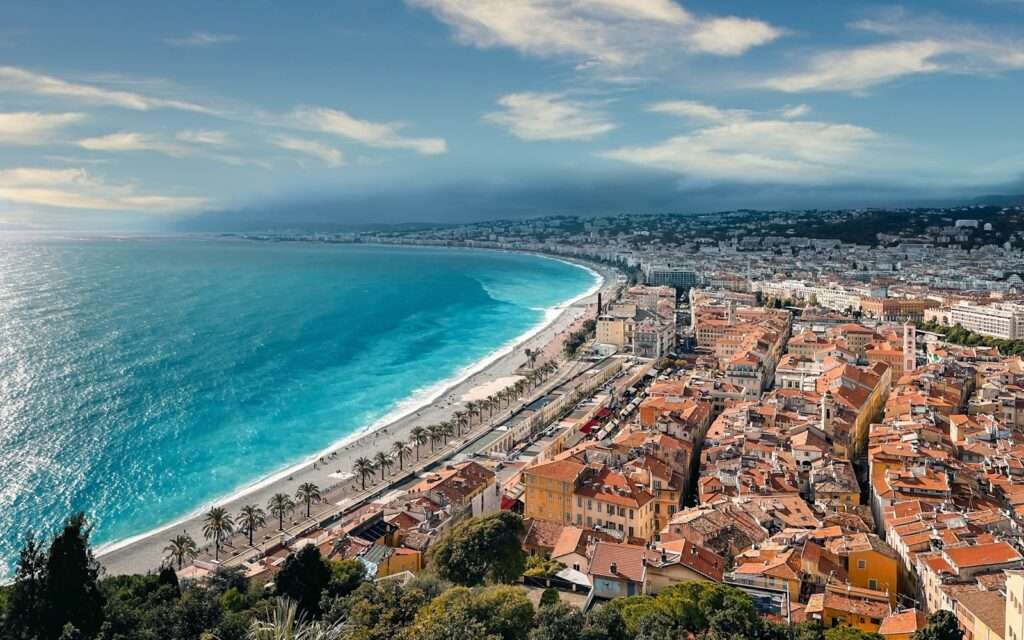
The city holds its own day easily. Vieux Nice runs the morning: the Cours Saleya market (flowers and produce daily except Monday, when antiques take over), socca — the chickpea pancake, eaten hot with pepper and no cutlery, with Chez Pipo and the Cours Saleya stands as the classic sources — and the baroque churches folded between the lanes. Castle Hill, by elevator or steps, gives the postcard: the curve of the Baie des Anges, the orange rooftops, the port behind.
The art axis runs uphill in Cimiez: the Matisse Museum in its red villa among the olive trees, the Chagall Museum’s biblical cycle — the finest single-artist room on the coast — and the Roman arena ruins between them, all reachable on one bus line. The Promenade des Anglais itself is the institution: rent the blue chair philosophy, walk it at golden hour, and swim off the public beaches knowing they’re pebble — water shoes convert the experience from penance to pleasure.
Three rules apply: the train beats the car for everything here except Grasse and the deep villages; August prices and crowds run at maximum with Nice Jazz Festival and the coast in full season; and the sweet spots are May–June and September — sea warm, light long, tables available. February’s Carnival and Menton’s Lemon Festival (twenty minutes east, and that gentle border town with its gardens and Cocteau museum is the quiet coast’s best half day) own the winter calendar. Eat the salade niçoise where they take it seriously, drink the local Bellet wine once, and accept that pan bagnat is a beach food with rules locals will explain unprompted.
Full day-trip pages: Menton.
Frequently Asked Questions
Is Monaco better by train or car?
Train, without question — twenty minutes from Nice, and Monaco’s traffic and parking are its least glamorous features. Time the Rock for the 11:55 changing of the guard, bring a passport for the casino salons, and dress smart-casual.
What’s the difference between Èze Village and Èze-sur-Mer?
Four hundred vertical meters. The medieval village is the hilltop with the exotic garden and the views; sur-Mer is the beach and train station below. Bus or taxi up, and the Nietzsche Path walks down in about an hour to the train home.
Is the Villa Ephrussi worth booking?
Yes — the pink palace, nine gardens, and musical fountains make the coast’s best gentle day, with the audio guide included. Book online (non-refundable, so watch the weather) and take the eight-day combined ticket with Villa Kérylos.
Is Cannes worth a day trip from Nice?
As a half day, joined to Antibes’ Picasso Museum — the Croisette photographs quickly. The real prize is offshore: the Îles de Lérins ferry, pine woods, clear coves, and the Man in the Iron Mask’s fort, fifteen minutes from the quay.
When is the best time for the Riviera?
May–June and September: warm sea, long light, bookable tables. July–August runs at maximum price and density; February brings Nice’s Carnival and Menton’s Lemon Festival to the winter coast.